Archives of the Impossible
An interdisciplinary and multimedia library of materials about human encounters with the Unknown.
The archives.
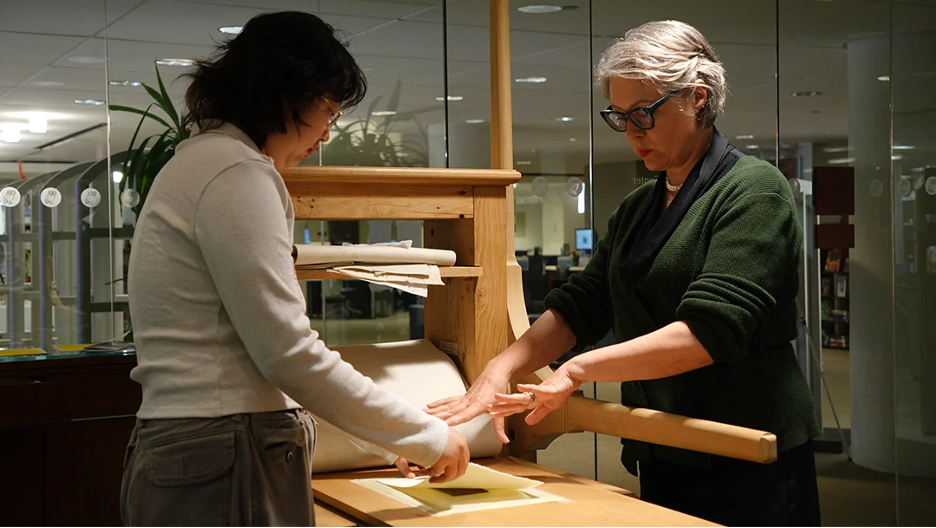
The archival collections at the Center for the Impossible form one of the most distinctive bodies of anomalous research materials housed at any American university. With more than twenty major collections—and new contributions arriving each year—the archives preserve an unparalleled record of humanity’s encounters with the unknown. These materials span decades of correspondence, field notes, scientific reports, interview transcripts, personal narratives, investigative files, audio and visual recordings, and cultural artifacts that together document the lived, historical, and intellectual dimensions of anomalous experience.
Housed in the Fondren Library’s Woodson Research Center and managed by Amanda Focke, Head of Special Collections, the collections serve as a foundational resource for scholars, students, experiencers, investigators, and members of the public seeking to understand these phenomena through a humanistic lens. As a growing interdisciplinary repository, they reflect the breadth of fields engaged in this work—from study of religion, history, psychology, anthropology, folklore, and philosophy, to aerospace studies, physics, parapsychology, and information science.
Together, these archives anchor an emerging field of inquiry and provide the primary-source foundation upon which new research, teaching, public dialogue, and cultural understanding continue to expand.
-
At the CFTI, preservation is both an ethical commitment and an intellectual practice. These collections document some of the most complex, intimate, and often stigmatized dimensions of human experience. Treating them with care is foundational to our mission.
Our archival philosophy rests on three core principles:
1. Ethical Stewardship
We hold these materials in trust for experiencers, their families, donors, and future researchers. Many collections contain deeply personal accounts of extraordinary events. We prioritize donor intent, informed consent, and ethical access, working in alignment with the Woodson Research Center’s policies to ensure responsible, transparent custodianship.
2. Preservation for Long-Term ResearchThe Woodson Research Center’s archivists stabilize, catalog, and—when appropriate—digitize the archives in accordance with professional archival standards. Our goal is to ensure that these materials remain available for generations to come, forming a durable evidentiary base for an emerging scholarly field that depends on robust, carefully maintained primary sources.
3. Respect for Experiencer VoicesExperiencer testimony is treated as cultural and historical documentation of profound human encounters. We safeguard these narratives so that researchers, educators, journalists, and experiencers themselves can engage with them in ways that honor privacy, context, and dignity. Each account is preserved with meticulous attention to its integrity and the humanity of the individual behind it.
Together, these commitments form the bedrock of our archival work—ensuring that the Impossible is preserved with the rigor, care, and ethical grounding required for meaningful study and responsible public understanding.
-
Because CFTI’s collections are housed within the Woodson Research Center, all access, use, and preservation practices follow Woodson’s established policies. These guidelines ensure that the materials are cared for with the professionalism, ethical commitments, and long-term stewardship they require.
Whether you are planning a visit to the reading room, requesting scans, seeking permission to publish archival materials, or exploring the possibility of donating a collection, Woodson provides the framework and support to guide you through each step. Their Policies & Procedures page offers a clear overview of what to expect and how to prepare:
→ Visit Woodson Policies & Procedures
For questions about CFTI’s archival collections or to discuss potential contributions, we welcome inquiries at impossiblearchives@rice.edu
-
We welcome inquiries from individuals, families, researchers, and organizations interested in placing their materials within our growing archival ecosystem. All potential donations are reviewed in partnership with the Woodson Research Center to ensure they align with CFTI’s mission, Woodson’s collecting priorities, and the practical considerations of space, preservation, and processing capacity.
Because these collections require careful long-term stewardship, we cannot guarantee acceptance of all offers. However, we are always open to conversation and to helping prospective donors understand what kinds of materials may be a strong fit. Contributions well suited to CFTI often include personal papers, research archives, interviews, correspondence, case files, photographs, audio/visual materials, and other documentation related to anomalous experience, UAP encounter research, or the broader cultural history of the impossible.
For guidance on donating materials, please consult the Woodson Research Center’s Donor & Community Consultations page:
→ Visit Woodson Donor & Community Consultations
Don’t hesitate to reach out with any questions you might have: impossiblearchives@rice.edu
Please allow 2–3 business days for a response.
-
A shared thread runs through our archives: individuals who confronted the unknown with courage, determination. and investigative rigor. Their papers, letters, research files, and experiential testimonies now form the backbone of a rapidly developing scholarly movement. What follows is a selection of foundational collections that shape CFTI’s research landscape and continue to draw readers, writers, and investigators from around the world.
A multi-decade record of séances, experimental sessions, audio recordings, and research notes from one of the UK’s most well-documented physical mediums. This collection offers rare primary data for scholars exploring survival research, anomalous perception, and the material dimensions of psi phenomena.
Richard Haines Aviation & CE-5 Research Papers
Compiled by long-time NASA scientist and aviation expert Richard Haines, this collection includes case files, technical analyses, photographic studies, correspondence, and materials related to CE-5 encounters. Together, these documents form a crucial bridge between aerospace engineering, empirical observation, and anomalous aerial phenomena.
The papers of Harvard psychiatrist and Pulitzer Prize–winning author John E. Mack constitute one of the most significant experiencer-related archives in the world. The collection includes interview transcripts, research notes, manuscripts, correspondence, and materials from the Program for Extraordinary Experience Research (PEER). Mack’s archive preserves a rare, deeply human inquiry into contact experiences—foundational for researchers navigating questions of trauma, meaning, and the nature of consciousness.
Edwin C. May Laboratories for Fundamental Research Papers
Physicist Edwin May directed major phases of the U.S. government’s remote viewing program from the 1970s through the 1990s. His archive includes research reports, training protocols, experimental data, correspondence, and documentation from the declassified Stargate intelligence program. These materials illuminate a significant Cold War–era investigation into human consciousness, psi functioning, and intelligence-gathering at the frontier of science.
Anne and Whitley Strieber Collection
Following the publication of Communion, Whitley Strieber received more than 200,000 letters from readers who saw their own experiences reflected in his story. This collection includes hundreds of those letters curated by Anne Strieber, along with documents revealing the editorial process used for Strieber’s follow-on book, Communion: The Letters. Taken together, the Strieber materials offer unparalleled insight into the lived reality of experiencers and the cultural impact of one of the most influential memoirs of the 20th century.
Jacques F Vallée UFO and Paranormal Phenomena Papers
Scientist, computer pioneer, and one of the most influential theorists of the UFO phenomenon, Jacques Vallée contributed a collection that anchors the historical and conceptual foundations of the field. The archive includes correspondence, research files, early manuscripts, and materials connected to Passport to Magonia, The Invisible College, and other landmark works. These documents trace the evolution of Vallée’s thought, bridging folklore, technology, physics, and the inexplicable with a rigor that continues to shape contemporary inquiry.
Visit our Woodson Research Center Impossible Archive Collections page.
Our process.
Building Collections
We connect with researchers and community members holding materials of public research value, and add new collections to our repository according to our development policy, in coordination with peer repositories rather than competition with them. Along the way we track and articulate the provenance of every collection, so its history travels with it.
Prepping for Research
Each collection is rehoused into archival-quality boxes and folders, and digital files are stabilized through format normalization so they stay readable for decades. We then organize the materials, preserving the order created by the donors, and describe them in online guides, so researchers can see what a collection holds and how it is arranged before they ever visit.
Preservation & Access
We care for digital and analog materials by establishing restrictions where needed, and by providing long-term storage infrastructure with controlled temperature and humidity. Researchers are welcome in our supervised reading room, and online access to our digitized archives is available for some materials, when copyright and “protection of privacy” considerations allow.
Outreach
We raise awareness of the archives and invite new research through newsletters, social media, podcasts, and other media projects. We also create welcoming spaces where experiencers and researchers can meet — conferences, salons, and smaller gatherings — because the connections made there often lead to the next collection or study.
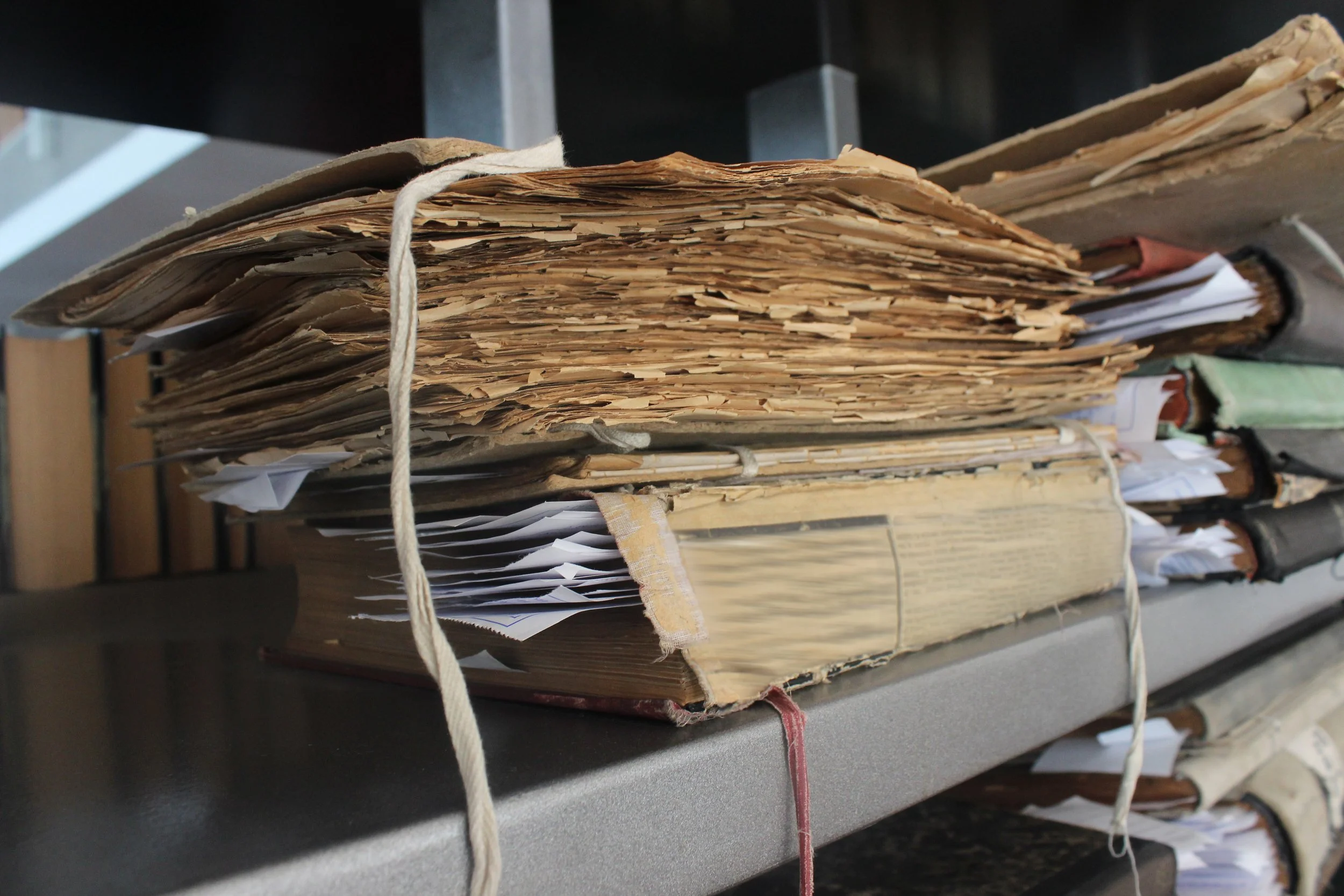
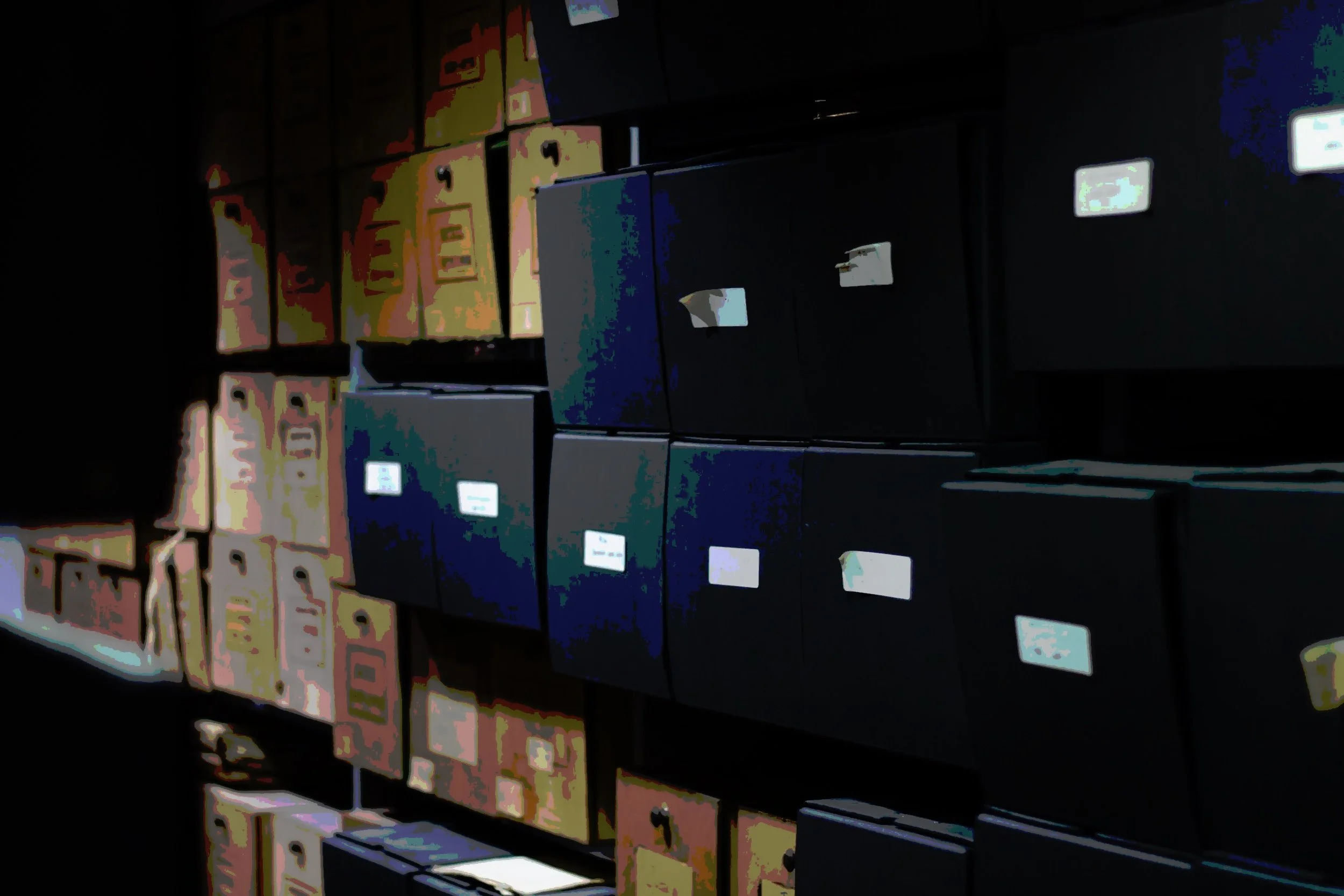
Please inquire if you would like more information about making an archival donation. Someone from our team will be in touch as soon as our capacity permits!