Developing interdisciplinary partnerships within academia and expanding our community engagement…
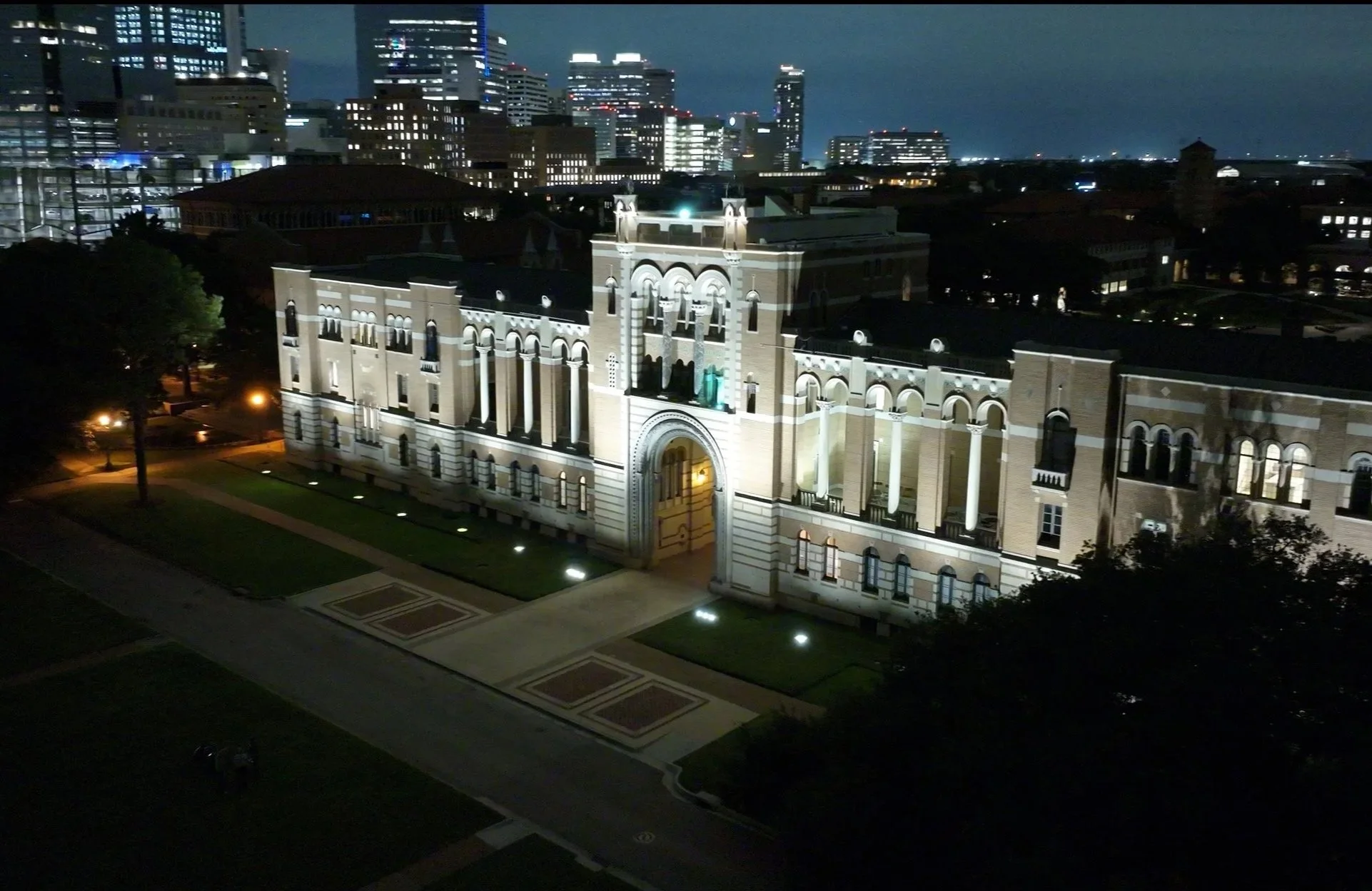
At the Center for the Impossible, scholarship extends well beyond the Woodson Research Center reading room. Our work comes alive through conferences, lectures, digital programming, and an international community of scholars, experiencers, students, and cultural thinkers. These gatherings reflect the same momentum visible in our archives: a rapidly growing field and a shared commitment to studying anomalous experience with integrity, rigor, and care.
At the heart of this community is a simple belief: that human experience of the Impossible deserves spaces where it can be explored openly, responsibly, and across disciplines. Whether through large convenings, campus dialogues, or our expanding digital library, CFTI creates opportunities for people to encounter this material together—and to participate in a conversation that is reshaping how anomalous experience is understood.
-
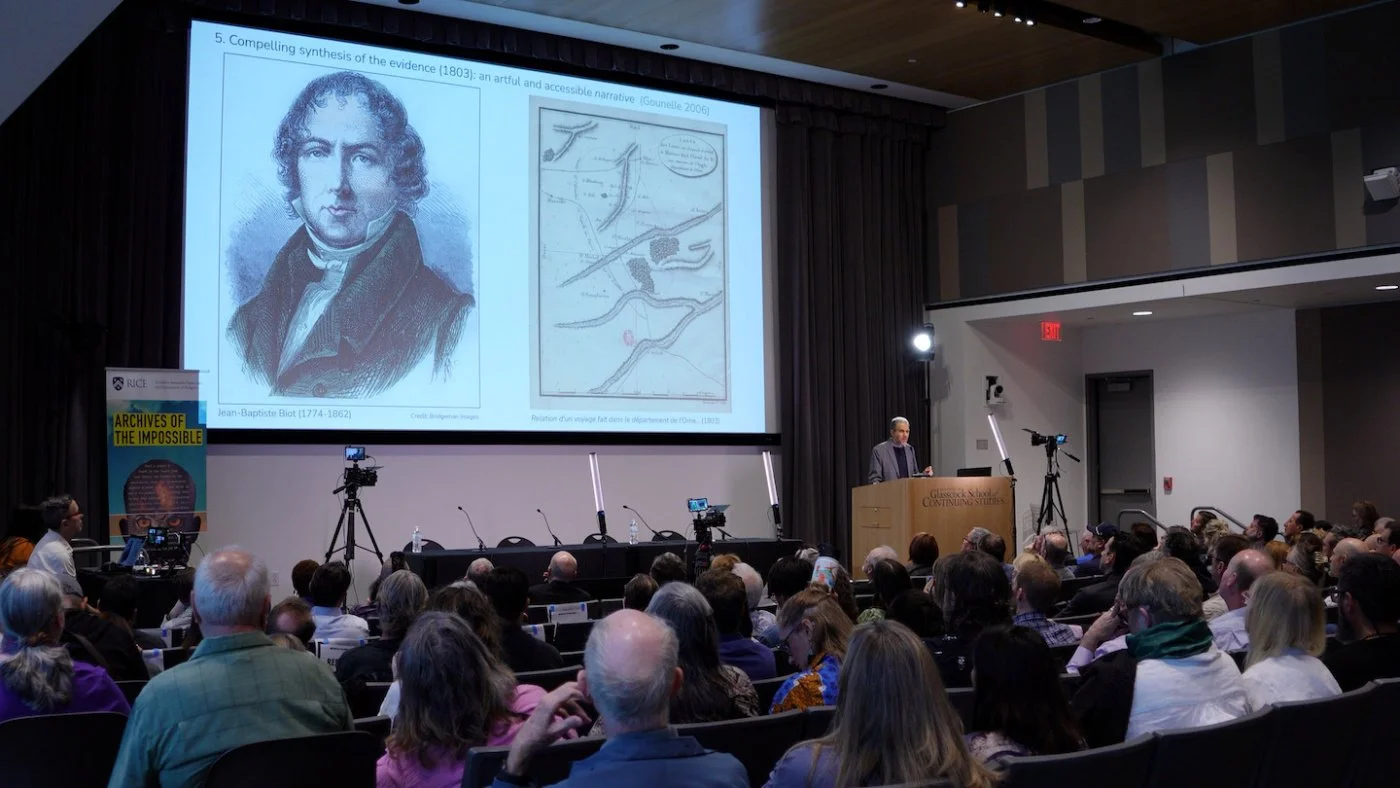
Since their inception, the AOTI conferences have become one of the most dynamic gatherings in the humanities—a space where scholars, experiencers, artists, scientists, and the simply curious engage anomalous experience as a legitimate field of inquiry. What began as an experiment in public scholarship quickly revealed a global appetite for rigorous, humanistic investigation of the impossible.
Each conference has expanded the conversation, deepened interdisciplinary ties, and affirmed what the archives themselves already suggest: anomalous experience constitutes a legitimate, complex area of research with implications for psychology, religion, anthropology, media studies, the history of science, and the study of consciousness.
With the establishment of the Center for the Impossible in 2025, the series now sits within a broader institutional ecosystem. The next major gathering—AOTI 2027: Art and the Impossible—will explore how anomalous experience shapes, and is shaped by, creative expression across audio, visual, performance, narrative, and multimedia forms.
Across its iterations, the conference has become more than an academic event; it is a rare intellectual commons where worldviews can be challenged without collapse, where experiencers and scholars meet, and where the study of anomalous experience finds the institutional support it has long lacked.
-
AOTI’s YouTube channel serves as the public portal to our growing library of conference sessions, keynote talks, interviews, and recorded lectures. Curated playlists from past AOTI gatherings allow visitors to revisit foundational conversations, follow emerging scholarship, and engage the broader cultural moment surrounding anomalous experience.
More than an archive of videos, this digital library functions as an educational commons—offering open access to the ideas, questions, and interdisciplinary exchanges that animate the Center’s work.
-
Beyond the biennial conferences, CFTI supports a steady rhythm of public-facing programs. These include invited lecturers, small symposia, classroom collaborations, and research dialogues shaped around new archival materials or emerging questions in the field.
As the Center continues to grow, these offerings will expand through partnerships across Rice University, visiting scholar engagements, and future research initiatives—creating spaces where complex ideas can be held with care, curiosity, and scholarly rigor.
-
An academic and independent researcher network has been coalescing around our experiencer metadata project. It started as a conversation about our corpus, database, and the multi-AI agent tooling that we’re using to process and query the pilot study collections. We’ve been sharing our progress openly with other researchers working on their own adjacent projects.
If we can get it up and running, the network will run on a simple premise. Participants arrive with mature project ideas and clarity about what they need from a research community, like: access to materials, collaborators in other disciplines, methodological guidance, technical infrastructure, or an environment where their research is taken seriously. What each participant brings becomes an asset to the group’s collective knowledge, and what they need becomes an opportunity for cross-pollination within the network .
If you’re an academic or independent researcher interested in learning more, tell us what you're working on and what you're looking for. We review submissions periodically and follow up as capacity allows.
-
CFTI is developing a new social media presence to provide a thoughtful, steady point of connection for the wider community. These channels will offer updates on events, newly released videos, and milestones in the Center’s work, while also serving as a gathering place for those engaged in the study of the Impossible.
-
Our mailing list will keep you apprised of CFTI’s ongoing adventures. Subscribers receive occasional updates about upcoming events, Archives X series updates, new podcast releases, research developments, and opportunities to engage with the Center. Check out the sign-up form below.
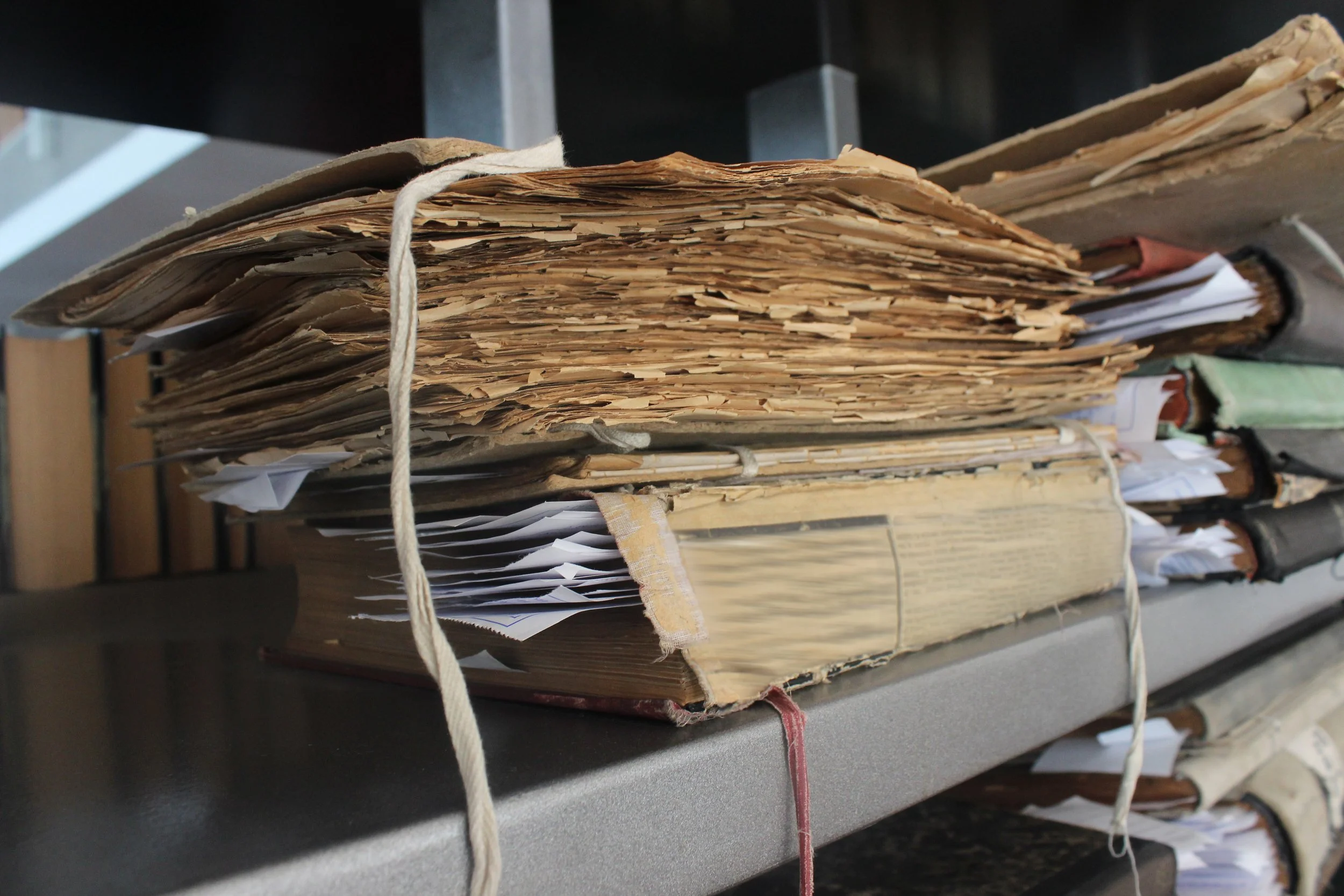
We deeply value making research connections across disciplines on our own campus, as well as with fellow institutions, organizations, and individuals. The archives here are available for exploration by the humanities, social sciences, data science, the arts, and more. Center for the Impossible offers opportunities to engage with original primary sources and first-person narratives documenting anomalous, or difficult-to-categorize experiences—materials that have often been relegated to the margins of academic inquiry. By making these sources available for interdisciplinary study by a wide variety of participants, historically stigmatized voices can be contextualized, while opening new questions about how such experiences have been understood across cultures and periods. We encourage the study of these materials with curiosity, methodological rigor, and epistemic openness.
—Amanda Focke, Head of Special Collections, Woodson Research Center